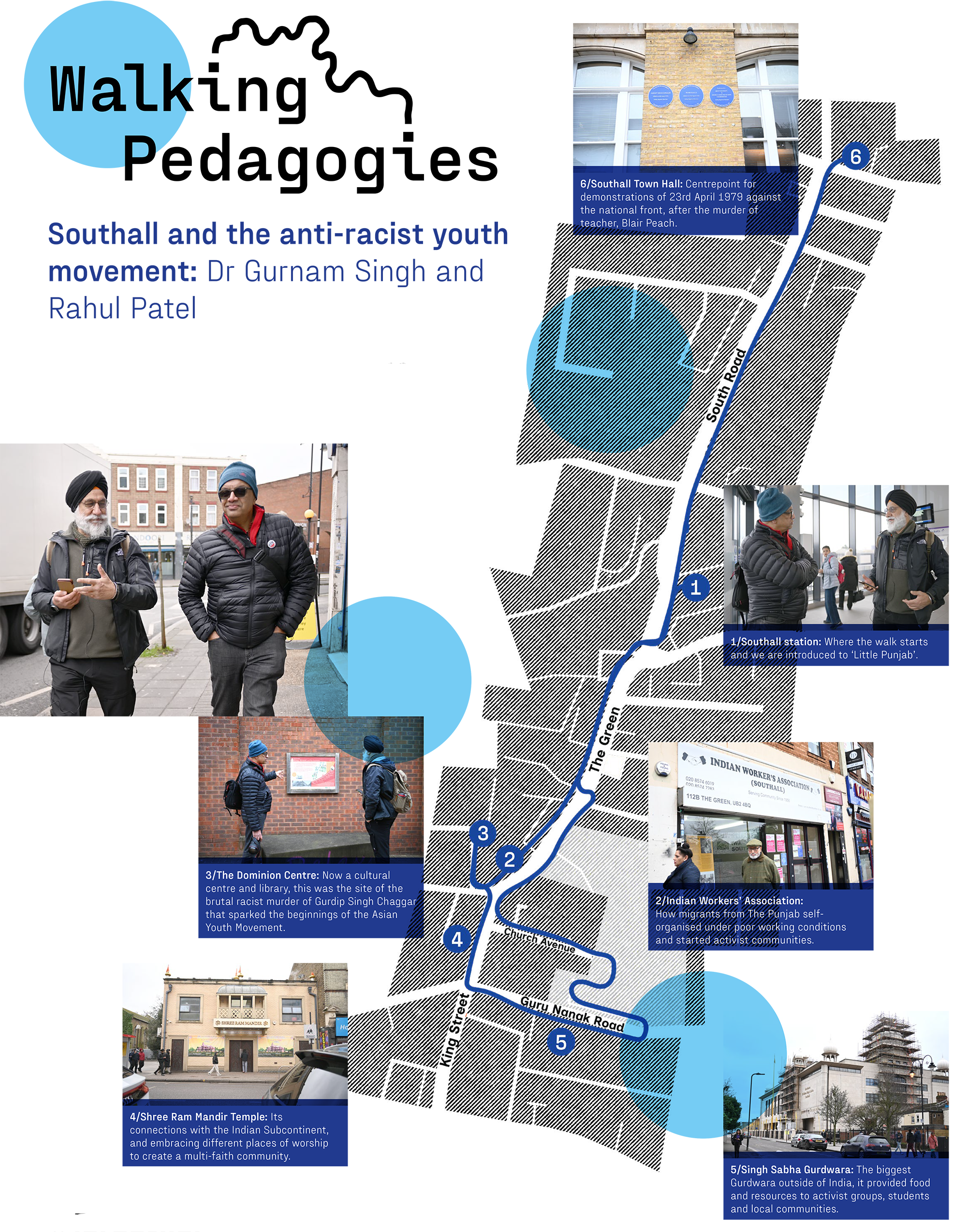
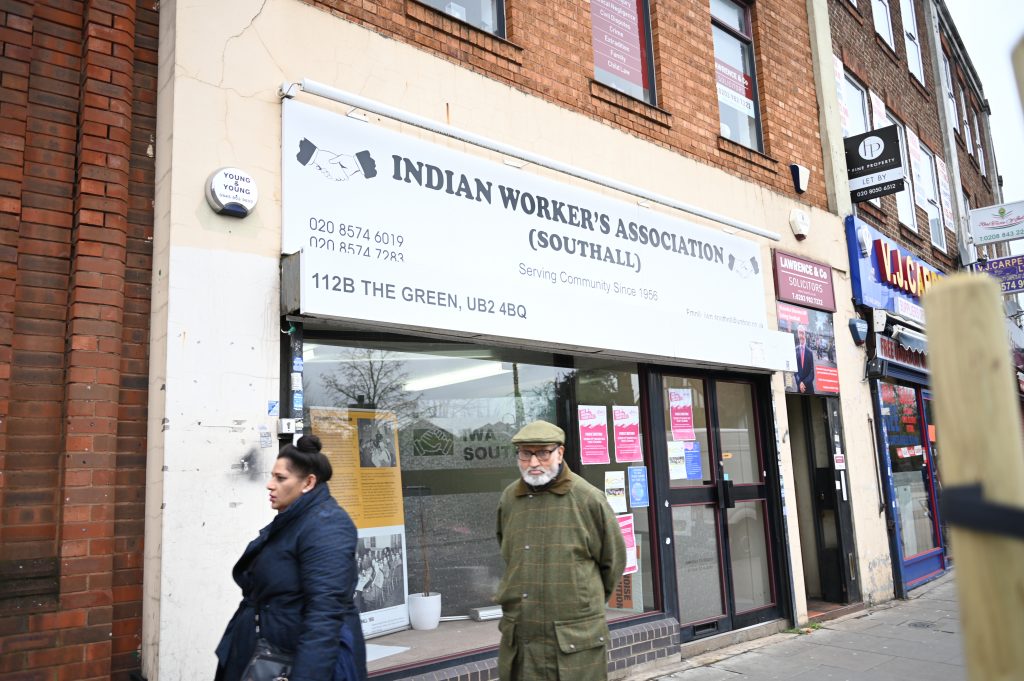
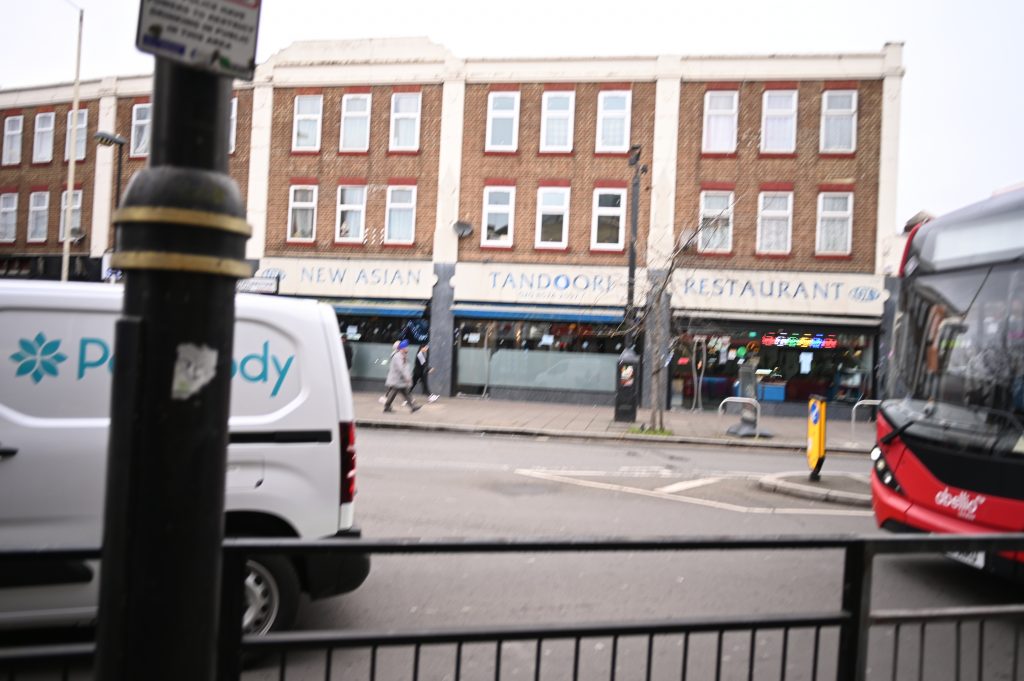
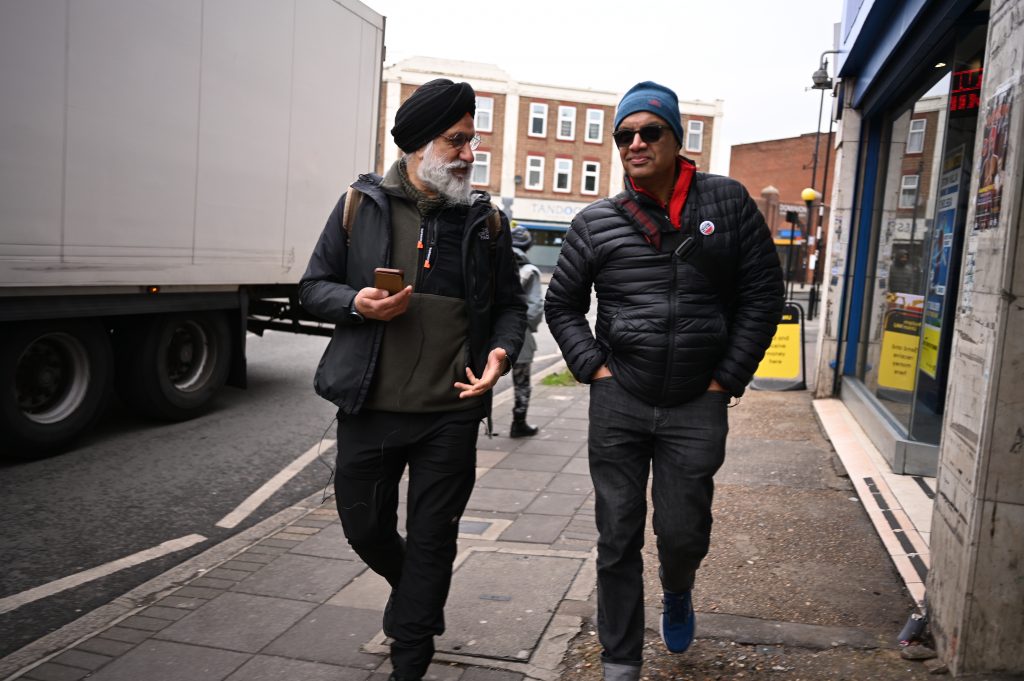
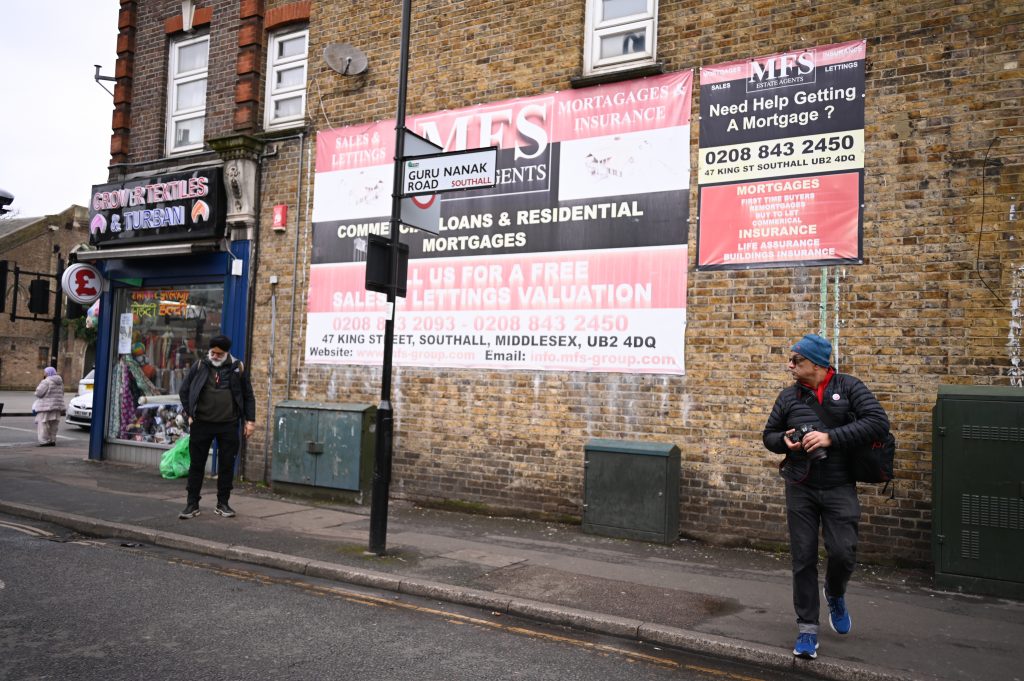
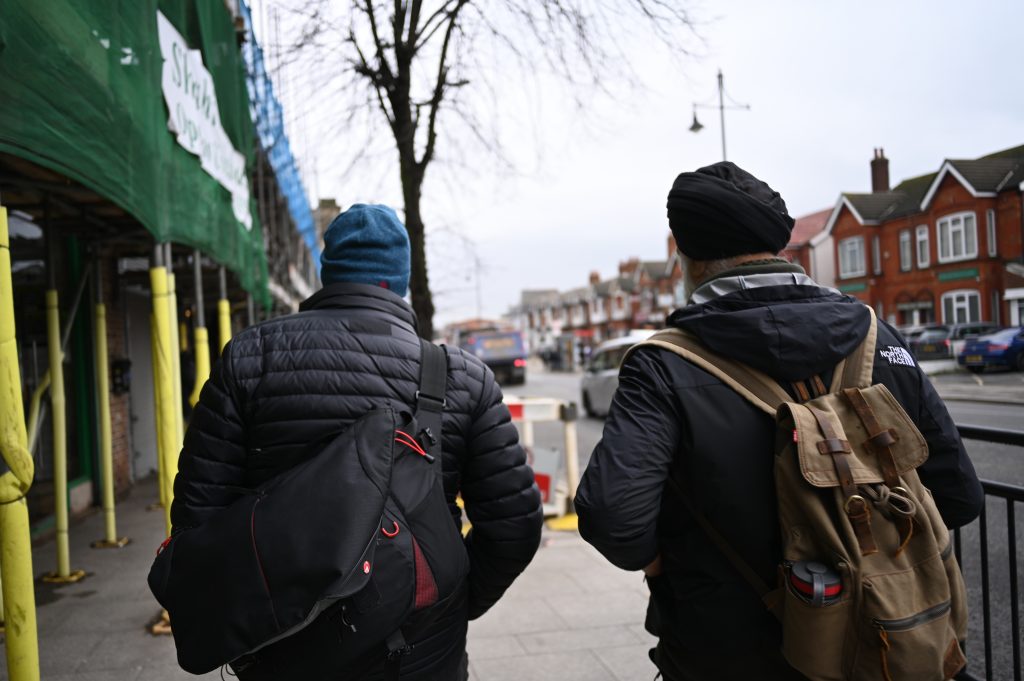
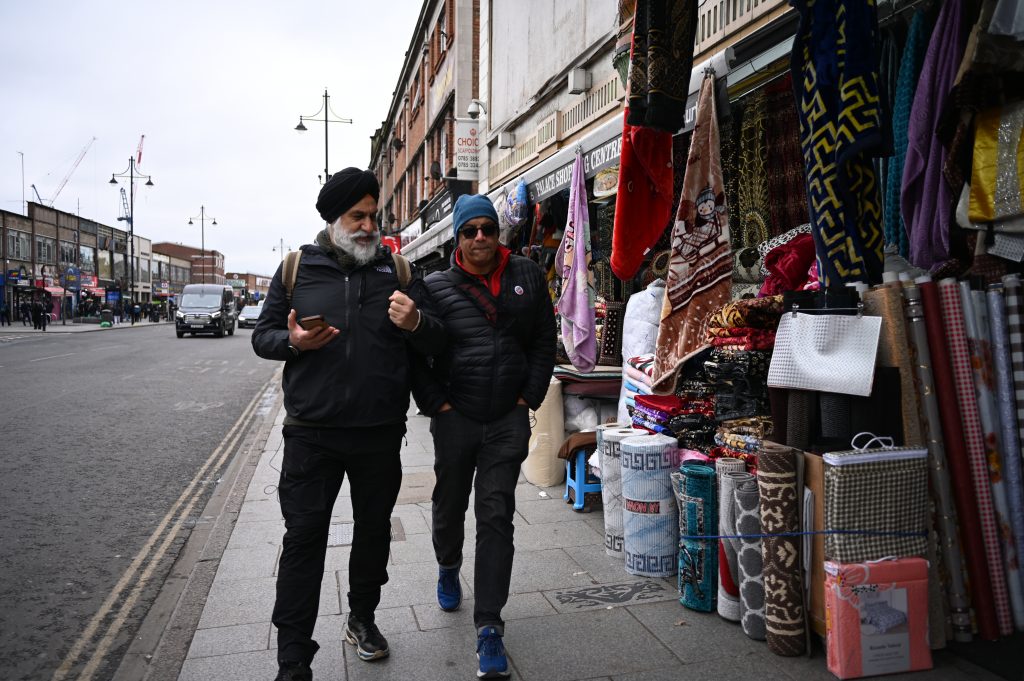
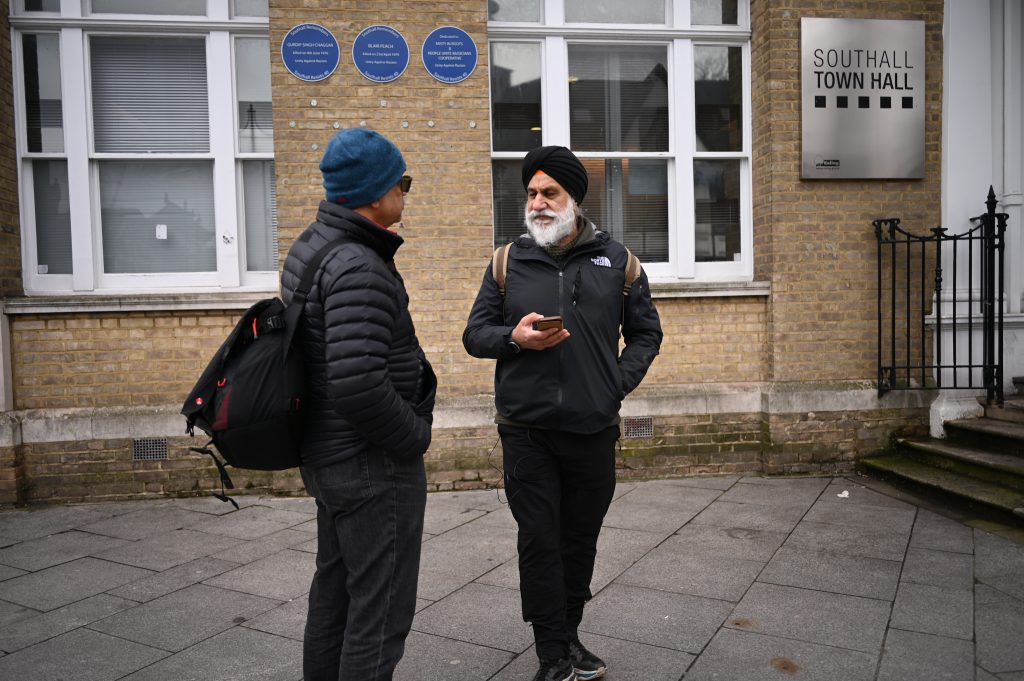
This is an audio walk and dialogue between Dr Gurman Singh and Rahul Patel exploring the streets of Southall and its significance to the anti-racist movement that emerged in the late 1970’s. Gurnam leads us from the station, through ‘New Southall’ and ‘Old Southall’, passing key locations including the old Dominion Cinema, the Singh Sabha Gurdwara and Southall Town Hall. We learn about how the brutal and racist murder of Gurdip Singh Chaggar sparked a powerful anti-racist movement that lasted many years and brought together communities from around the UK. We explore the numerous groups that played a key role in this scene including the Indian Workers Association, Southall Asian Youth Movement and frame these in relation to recent movements such as Black Lives Matter and Decolonising the Curriculum. Gurnam and Rahul discuss the implications for education and learning, and what a ‘Pedagogy of the Street’ might be.
“But for us, we were creating a revolution, we were part of transforming society, and we were reading, you know, we were using the libraries, we were reading all kinds of histories, and we were accessing a kind of curriculum that was denied to us through the education system.”
Listen to the dialogue via any podcast app:
Listen via Soundcloud:
Download an accessible transcript of the dialogue
Podcast Chapters:
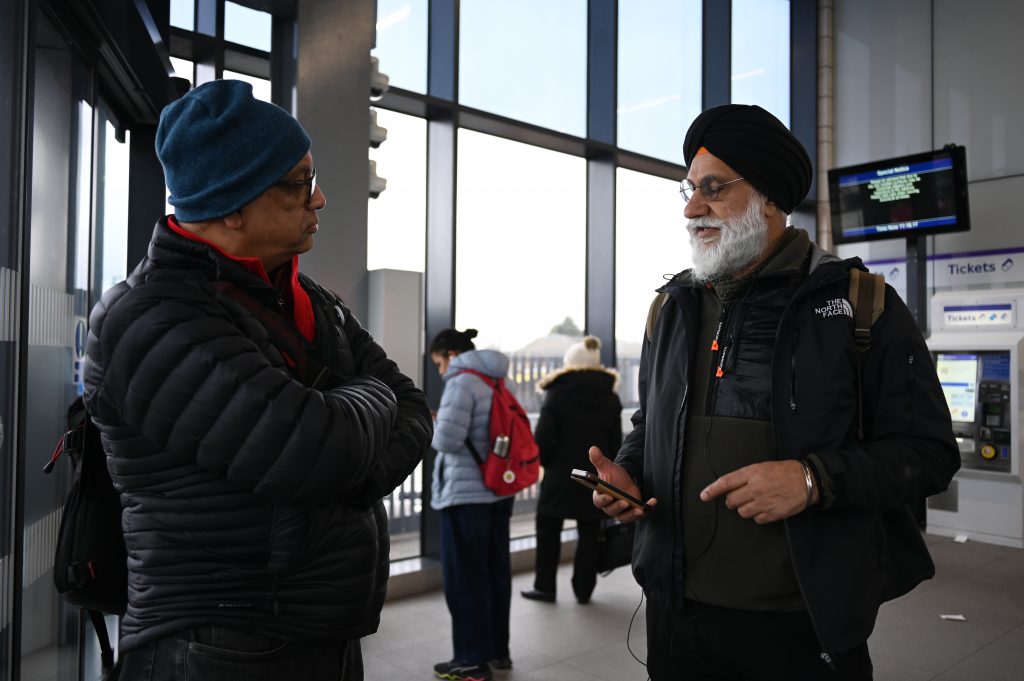
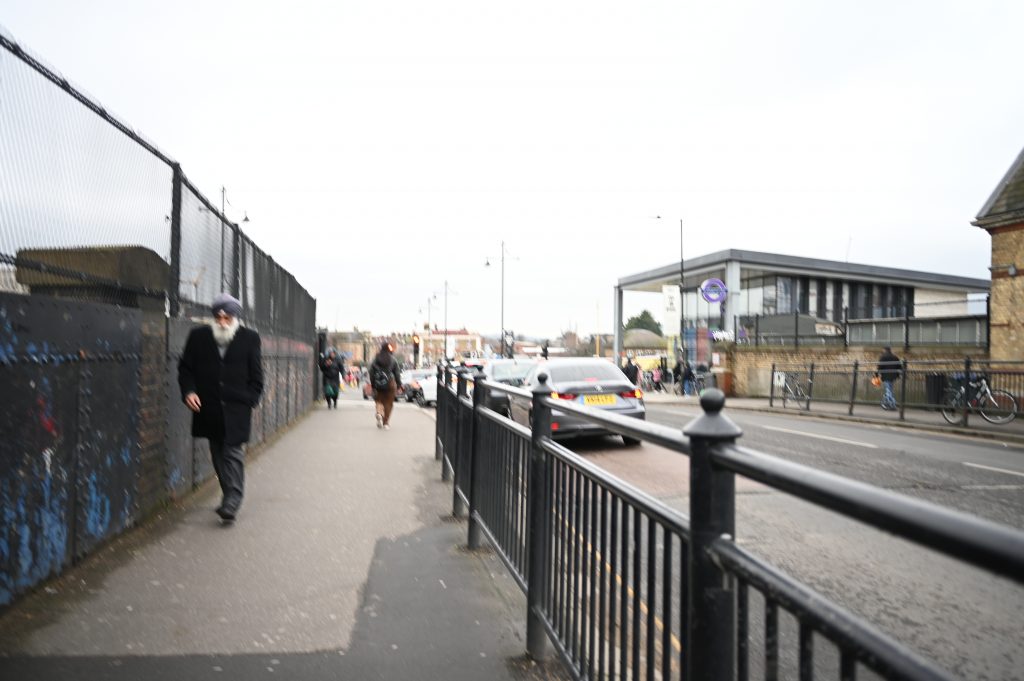
Chapter 01. Introduction – Gurnam shares some family history and how he came to live in Southall. He discusses migration from The Punjab and the industrial activity at the time (Southall station)
Chapter 02. Life in Southall and ‘Little Punjab’. (Southall station)
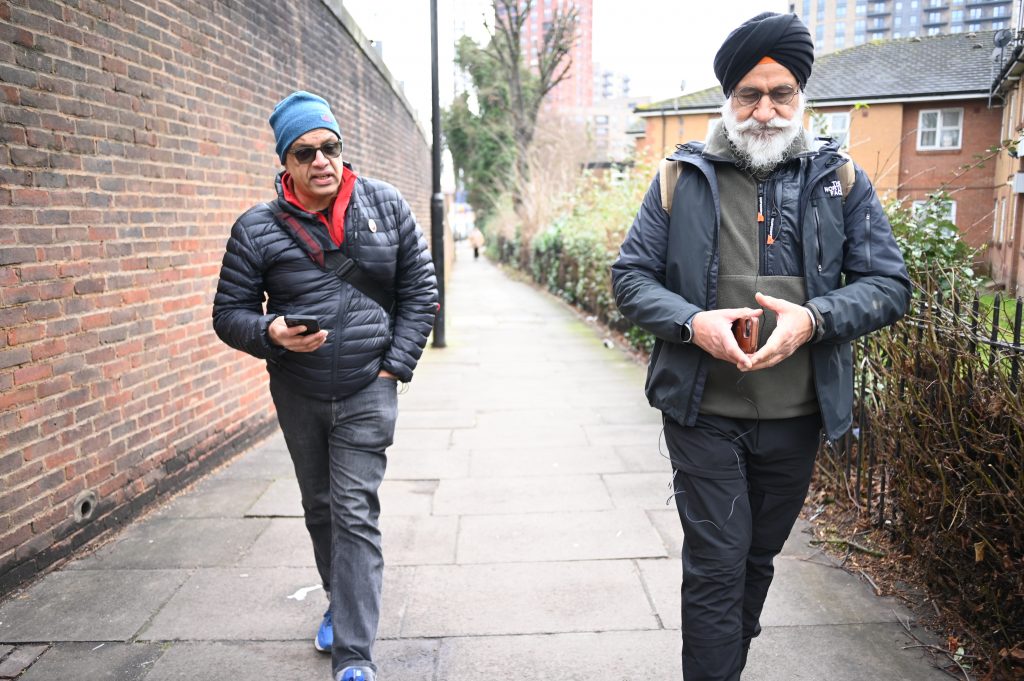
Chapter 03. New Southall / Old Southall (Walking over Southall Bridge). Walking though ‘New Southall’, observing recent developments and gentrification. How migrant workers and cheap labour have formed Southall, and how dynamics have changed over the last 40 years.
Chapter 04. Walking towards the Dominion Cinema: Introduction to the Indian Workers Association and how they contributed to the antiracist movement. The Southall Asian Youth Movement.
Chapter 05. Racist murder of Gurdip Singh Chaggar outside the Dominion Cinema and the start of the Asian Youth Movement. Introduction to Suresh Grover, who founded the movement … ‘Here we were Politically Black’.
Chapter 06. Political context at the time – the rise of the national front. The birth of a new activist movement, led by the Southall youth in June 1976.
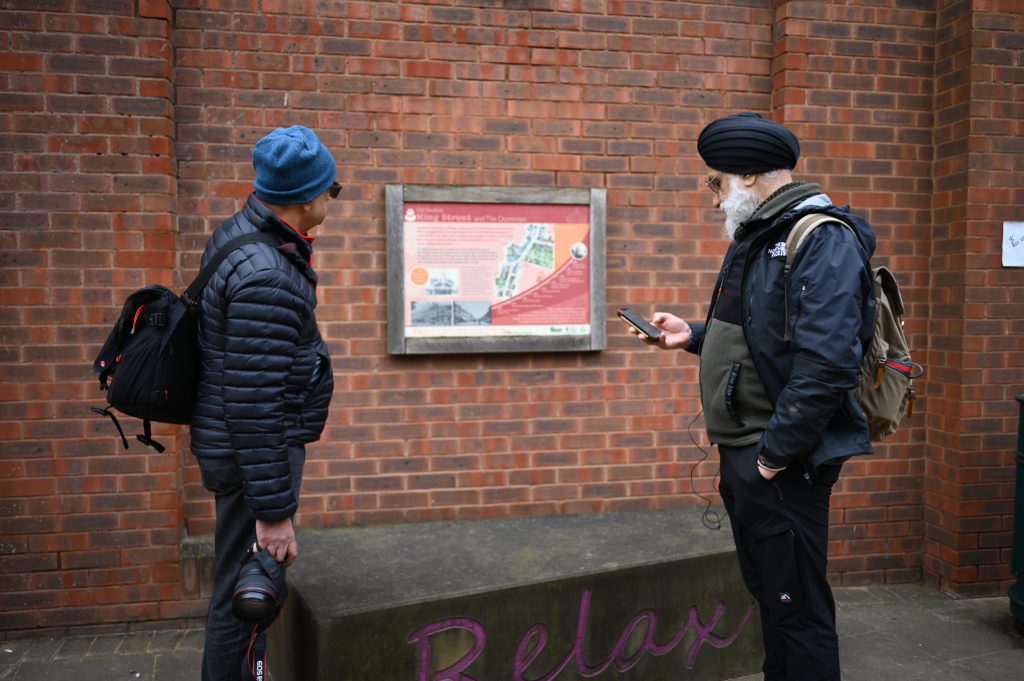
Chapter 07. Outside the Library (Old Dominion Cinema) – how history is made visible and how this relates to pedagogy and education. How do we understand our past and how does relate to education? Descriptions of a number of anti-fascist movements that emerged at the time.
Chapter 08. National politics and the election of Margaret Thatcher. Enoch Powell’s legitimisation of the national front and use of inflammatory language around race and othering of cultures. Thatcher’s rhetoric of ‘swamping’
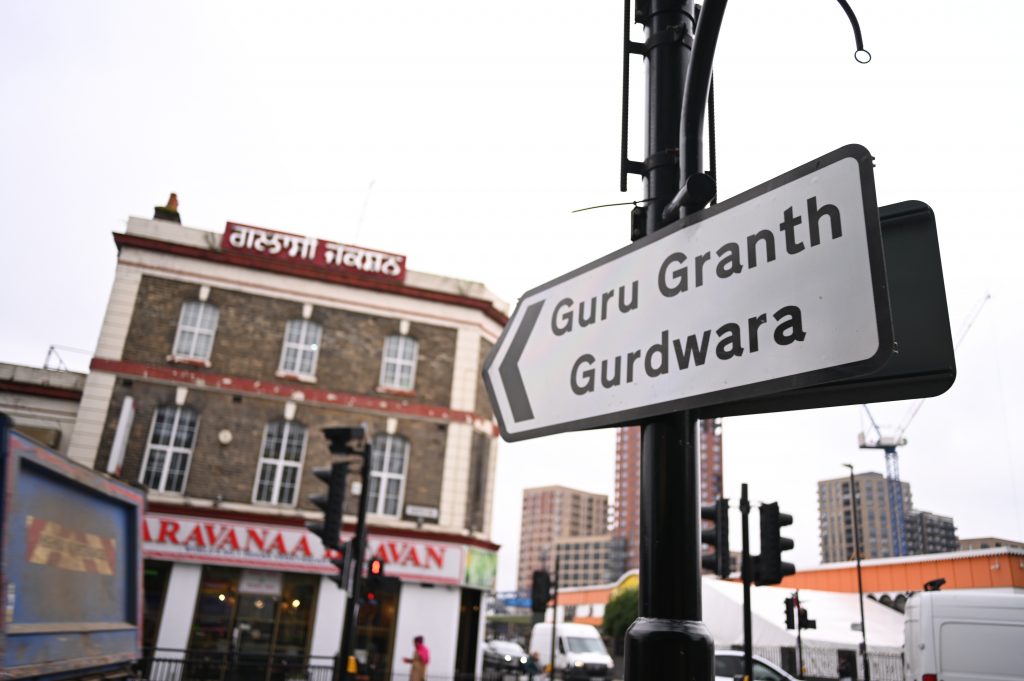
Chapter 09. Waking down King St towards the Singh Sabha Gurdwara. The community around the Gurdwara, local eateries and pubs. The headquarters of the Sikh Missionary Society and the Southall Buddhist temple and how communities related with each other.
Chapter 10. Shree Ram Mandir temple – it’s connections with Indian Subcontinent. Pointing out different places of worship
Chapter 11. The Singh Sabha Gurdwara – it’s importance as the biggest Gurdwara outside of India. How it provided food and resources to the Indian Workers Association, students and local communities. Decolonisation and movements to pull down statues and monuments: people want to know all sides of their history.
Chapter 12. Moving from Old Southall along high St to new Southall – to the town hall. The murder of Blair Peach in 1979 and the anti-facist resistance that happened in response.
Chapter 13. Murder of Blair Peach – the education community. Dialogue around the deficit model and attempts to change the education system. Education on the streets: empowerment through the activist movements. Accessing a curriculum denied to us through the education system – ‘True critical pedagogy’!
Chapter 14. Southall Town Hall: Centrepoint for demonstrations of 23rd April 1979 against the national front. How the coordinated anti-racist movement
Secondary demonstrations in1981 at the Hanborough Tavern where police once again mobilised in defence of the British National Party.
Chapter 15. Music and the anti-racist movements in the late 70’s / early 80’s: ‘The hot summer’ of 1981 which saw uprisings across the country that saw black and white youth coming together against racism.
Chapter 16. Education: schools weren’t offering a balanced curriculum and the acknowledgement of institutionalised Racism. Gurnam talks about his employment by the state as a social worker – partly because of his engagement as an activist.
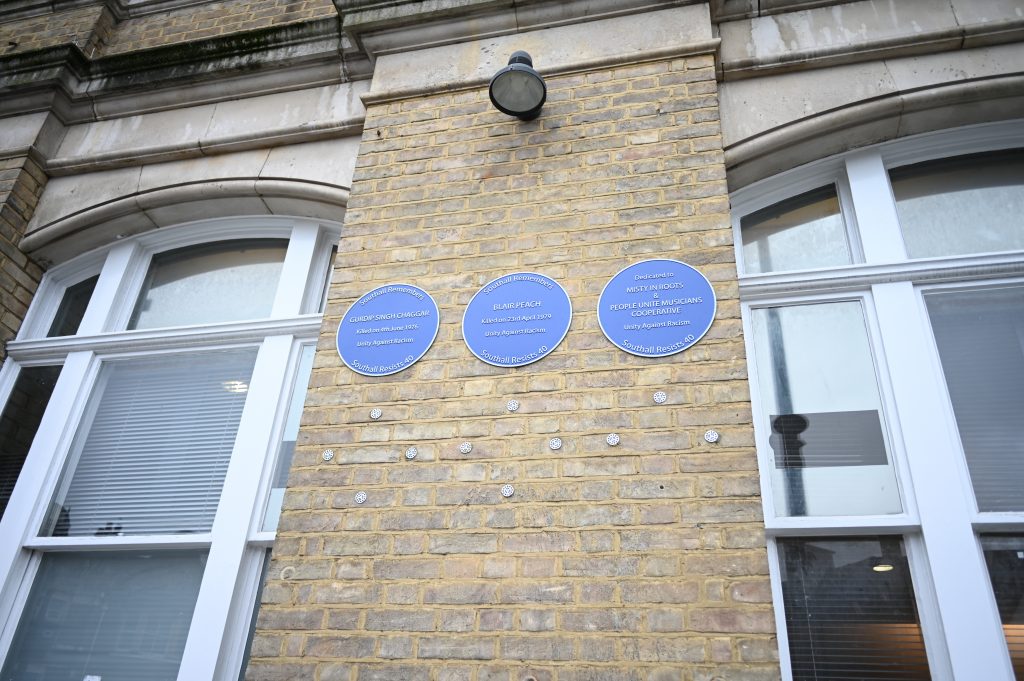
Chapter 17. The three blue plaques outside Southall Town Hall for Gurdip Singh Chaggar / Blair Peach / Misty in Roots. The part that art and creativity played in the movement. Relationship between activism and education – bringing together body, soul and mind.
Chapter 18. Dialogue about today’s world and Higher Education environment and the role of activism within that; exploring what decolonising the curriculum means.
Speaker Biographies:
Gurnam Singh is currently Hon Associate Professor of Sociology at the University of Warwick. From 2018-24, he was Fellow in Race and Education at UAL. He is an activist researcher, writer, and educator whose work focuses on issues of social justice, anti-racism, decolonisation, and critical pedagogy. He has an extensive publication record and his significant contributions to higher education have been recognised with a National Teaching Fellowship (2009) and being made a Fellow of the Royal Society of the Arts (2018).
Rahul Patel teaches on both the MA and BA Culture, Criticism and Curation programmes at Central Saint Martins, University of the Arts London. He is also involved in Transformative Teaching Pedagogies programmes as part of the University wide academic support team including Reading Collections which is based on African-Caribbean, Asian & African Art in Britain Archive at Chelsea College of Art. He has also co-curated Decolonising the Arts Curriculum Perspectives in Higher Education zines 1 & 2. With Gemma Riggs and Nicola Tagoe, he has co-produced, Frantz Fanon’s Black Skin, White Masks. Interpretations, Art and Pedagogy.